

Equipment for verifying your process route
Choose an operation: cultivation, hydrolysis, separation, filtration, concentration, drying, stabilisation, blending, analytical testing. The right unit depends on the properties of the material, the result required and the next stage of the process.
- Operations
- 9 groups
- Engagement type
- material trial
- Start
- suitability assessment
- Site
- Protvino
More than equipment specifications
An assessment requires the composition and properties of the material, the quantity of sample available, the target parameters and the handling conditions.
For cultivation, the subsequent product recovery should be defined in advance; for separation, where the target component is located; for drying, which properties need to be retained.
Rated capacity helps in selecting equipment but does not replace a trial on the actual product. Stated parameters apply to specific conditions.
Operations and equipment
Equipment grouped by operation. For each item: stated parameters, type of application and related service.
| Item | Stated parameters | What it helps to assess |
|---|---|---|
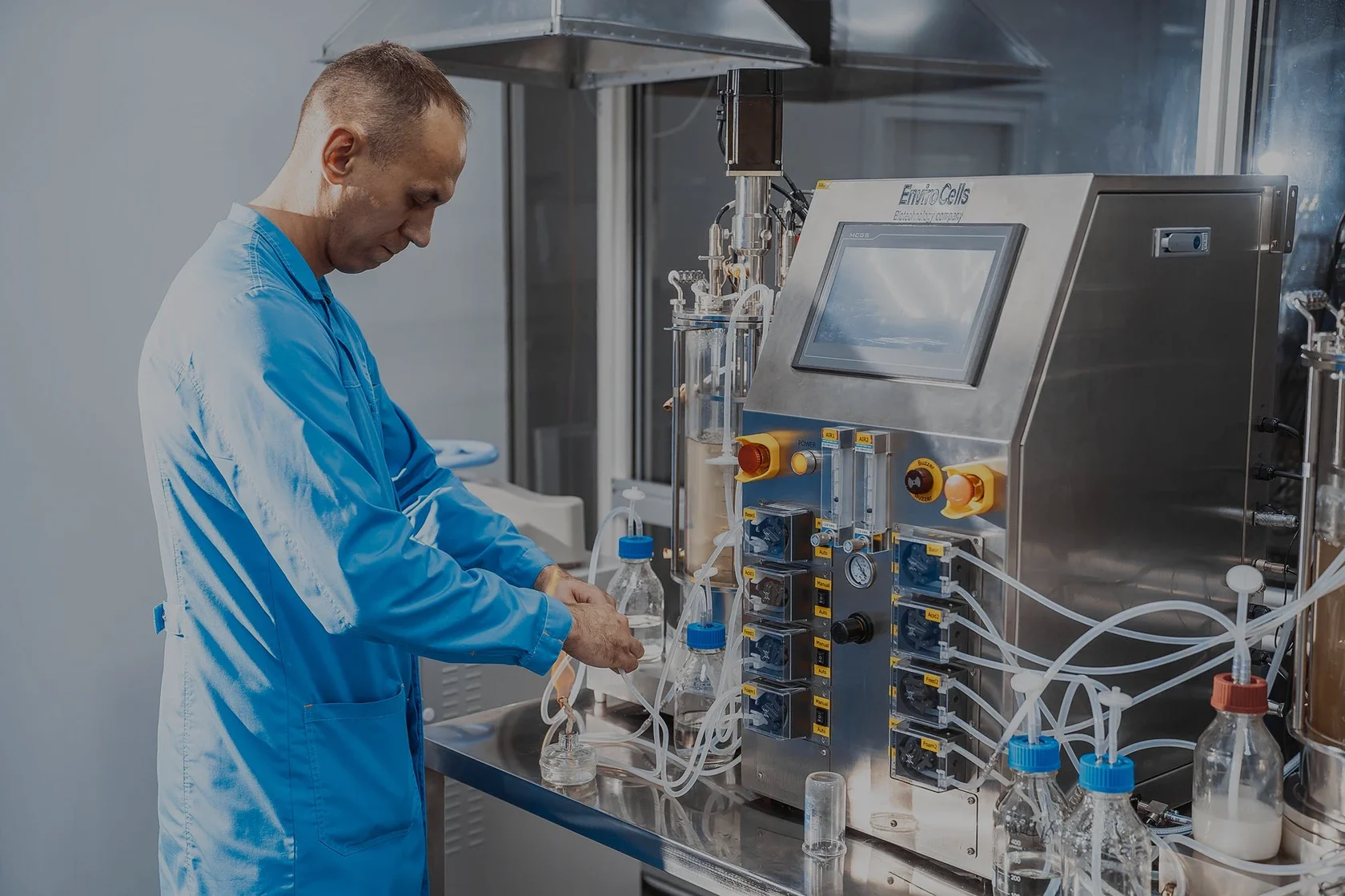
| Laboratory- and pilot-scale fermenters | stated range 10–1,500 L; specific units of 150 and 1,500 L | process transfer, operating conditions and data at the selected scale |
| Item | Stated parameters | What it helps to assess |
|---|---|---|
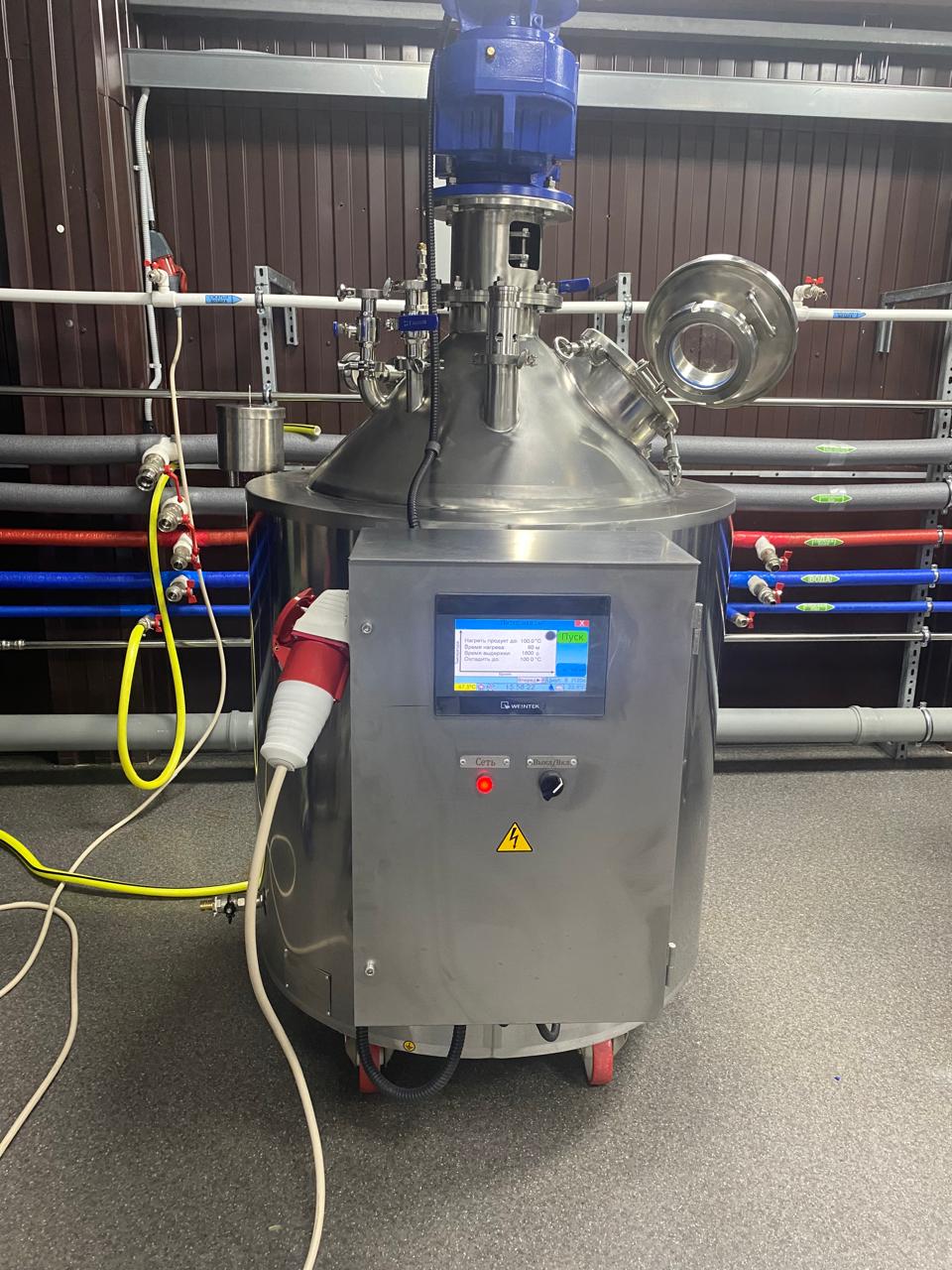
| Cooking vessels | stated: 300 and 500 L | production of a hydrolysate and a sample |
| Pasteurisation/sterilisation reactors | stated: 150 and 300 L · 60–120 °C | heat treatment and sterilisation |
| Item | Stated parameters | What it helps to assess |
|---|---|---|
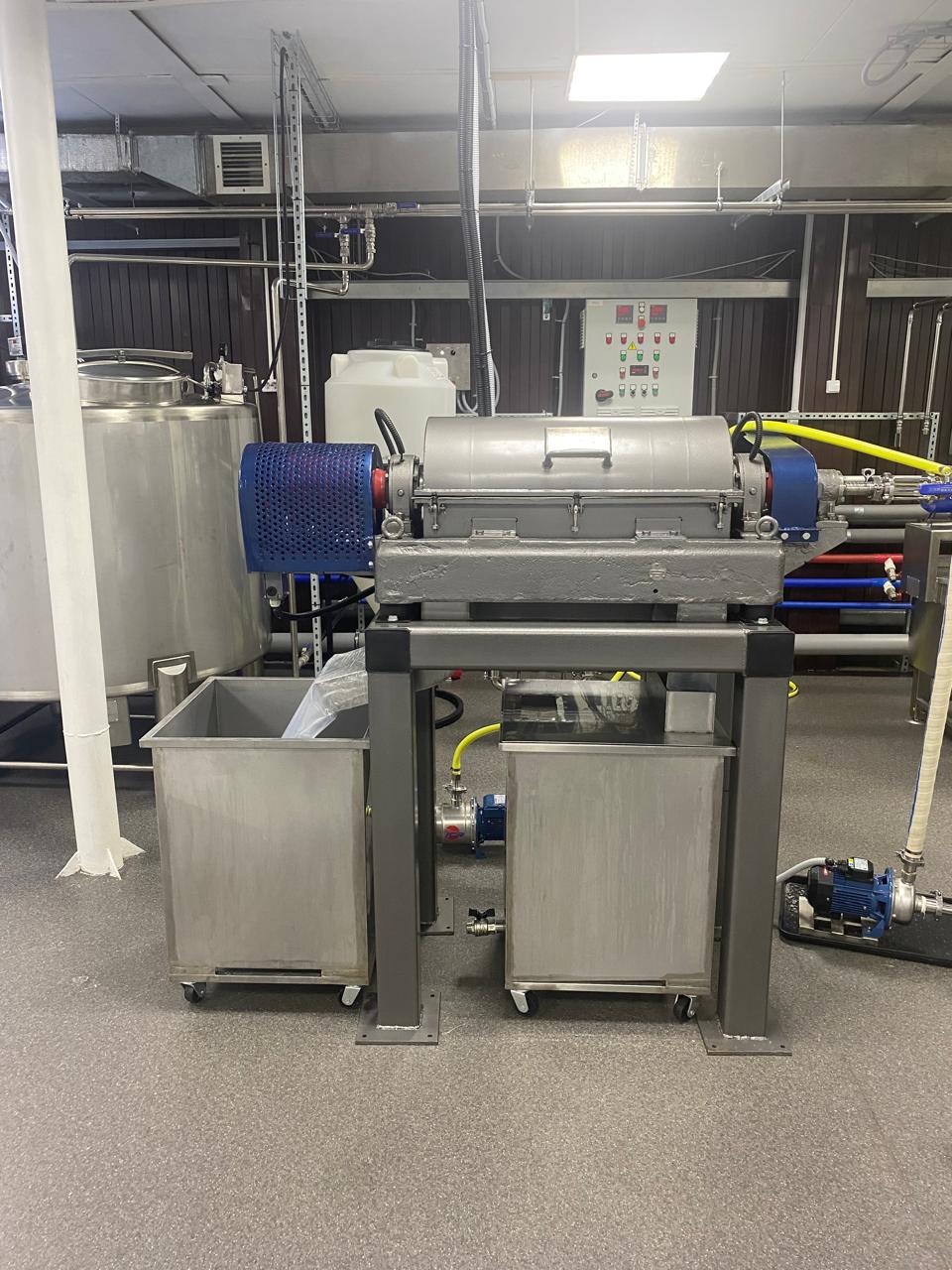
| Decanter centrifuge | stated: up to 500 L/h · 4,000 × g | separation of the coarse fraction |
| Separator | stated: up to 300 L/h · 10,300 × g | collection of cells and supernatant |
| Item | Stated parameters | What it helps to assess |
|---|---|---|
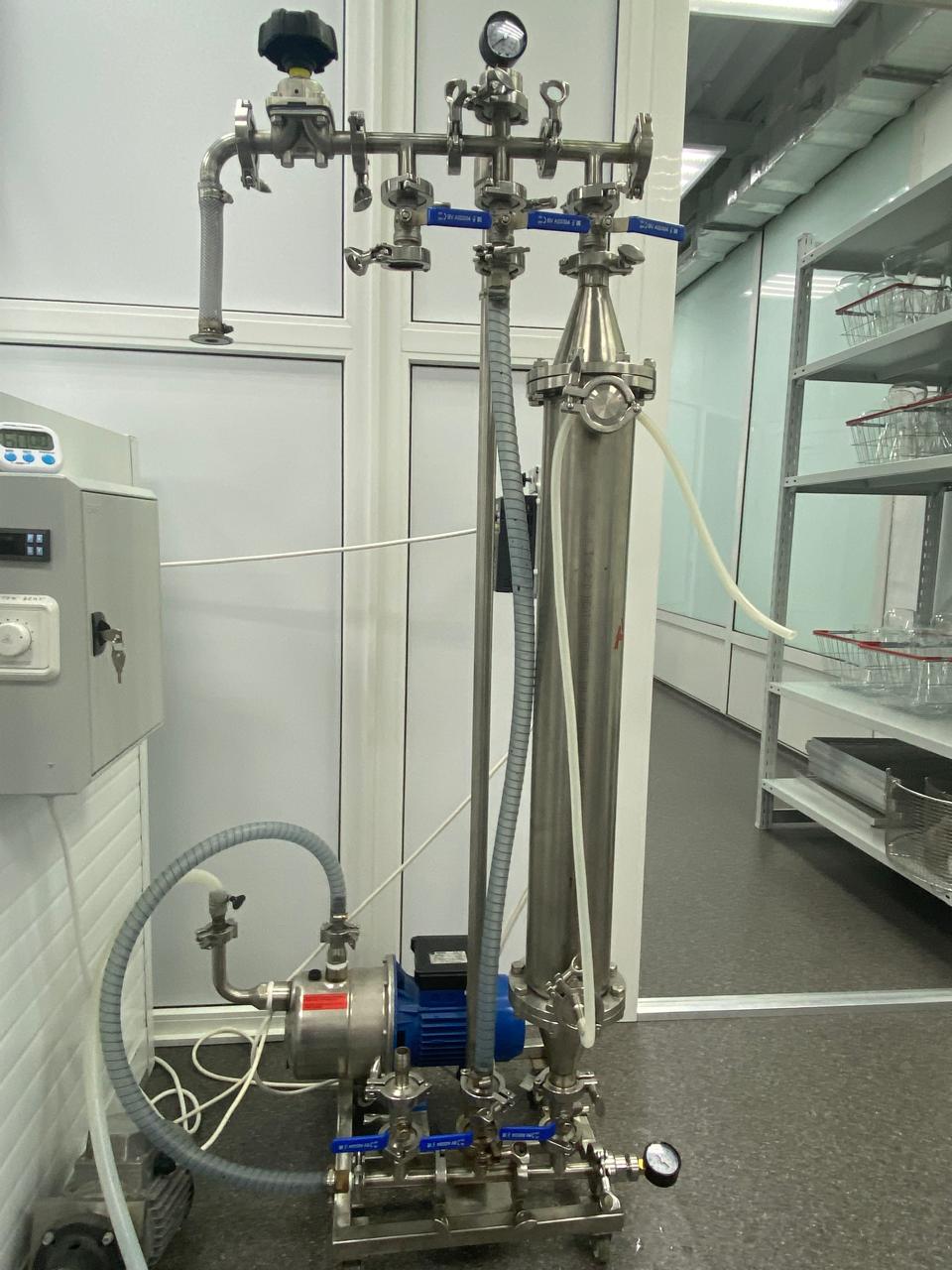
| Tangential-flow filtration | stated: up to 60 L/h · 0.05–5 µm | clarification and concentration |
| Vacuum Nutsche filter | stated: 20 L | sediment separation |
| Item | Stated parameters | What it helps to assess |
|---|---|---|
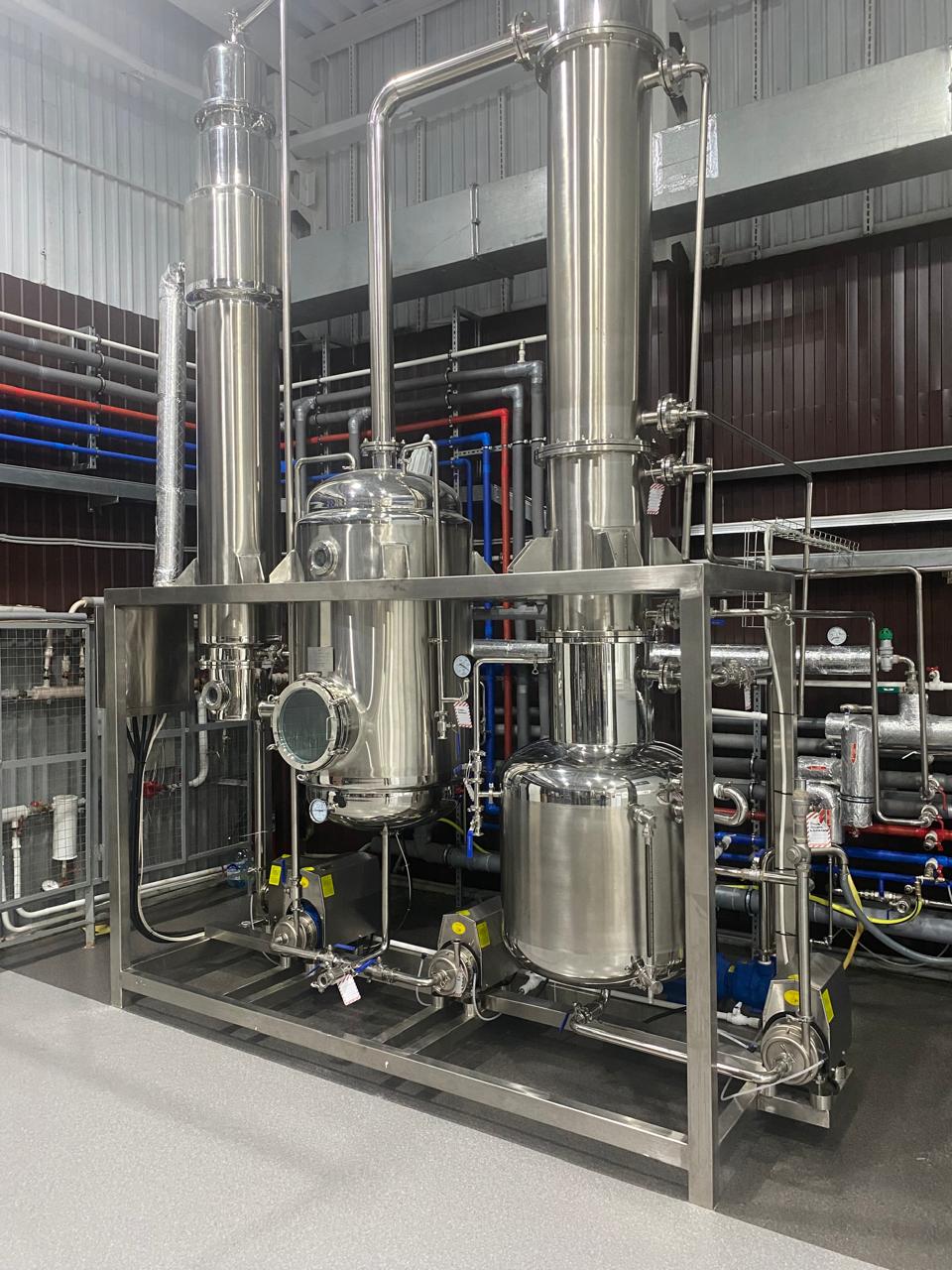
| Vacuum evaporator | stated: up to 200 L/h of evaporated water | water removal, concentrate production |
| Item | Stated parameters | What it helps to assess |
|---|---|---|
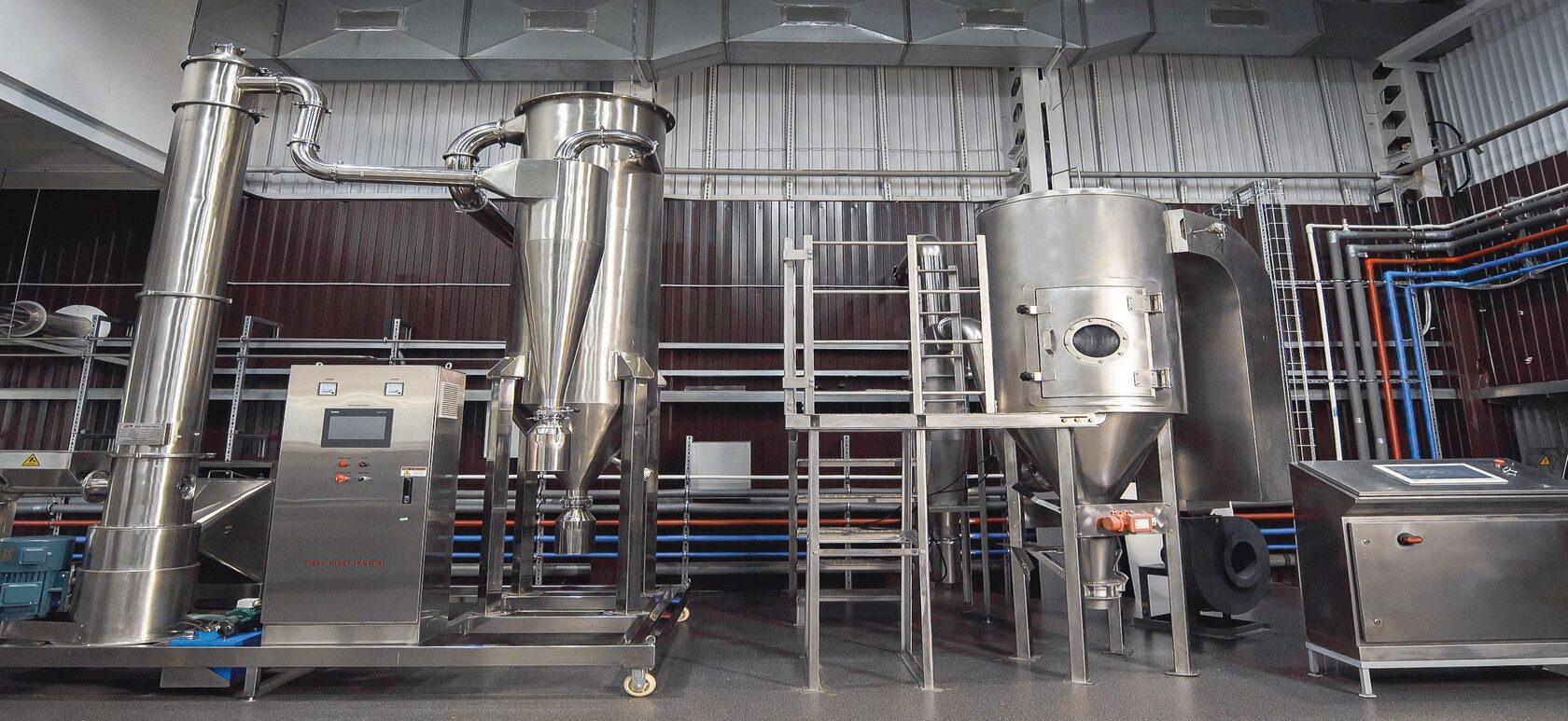
| Spray dryer | stated: up to 15 L/h · nozzle 70–200 bar | powder and loss balance |
| Spin Flash | stated: up to 50 kg/h of feed; air up to 300 °C | paste drying (to be confirmed) |
| Fluidised-bed dryer | stated: up to 70 L/h · load up to 30 kg | drying and granulation |
| Paddle dryer | stated: 3 m² heating surface | contact drying |
| Item | Stated parameters | What it helps to assess |
|---|---|---|
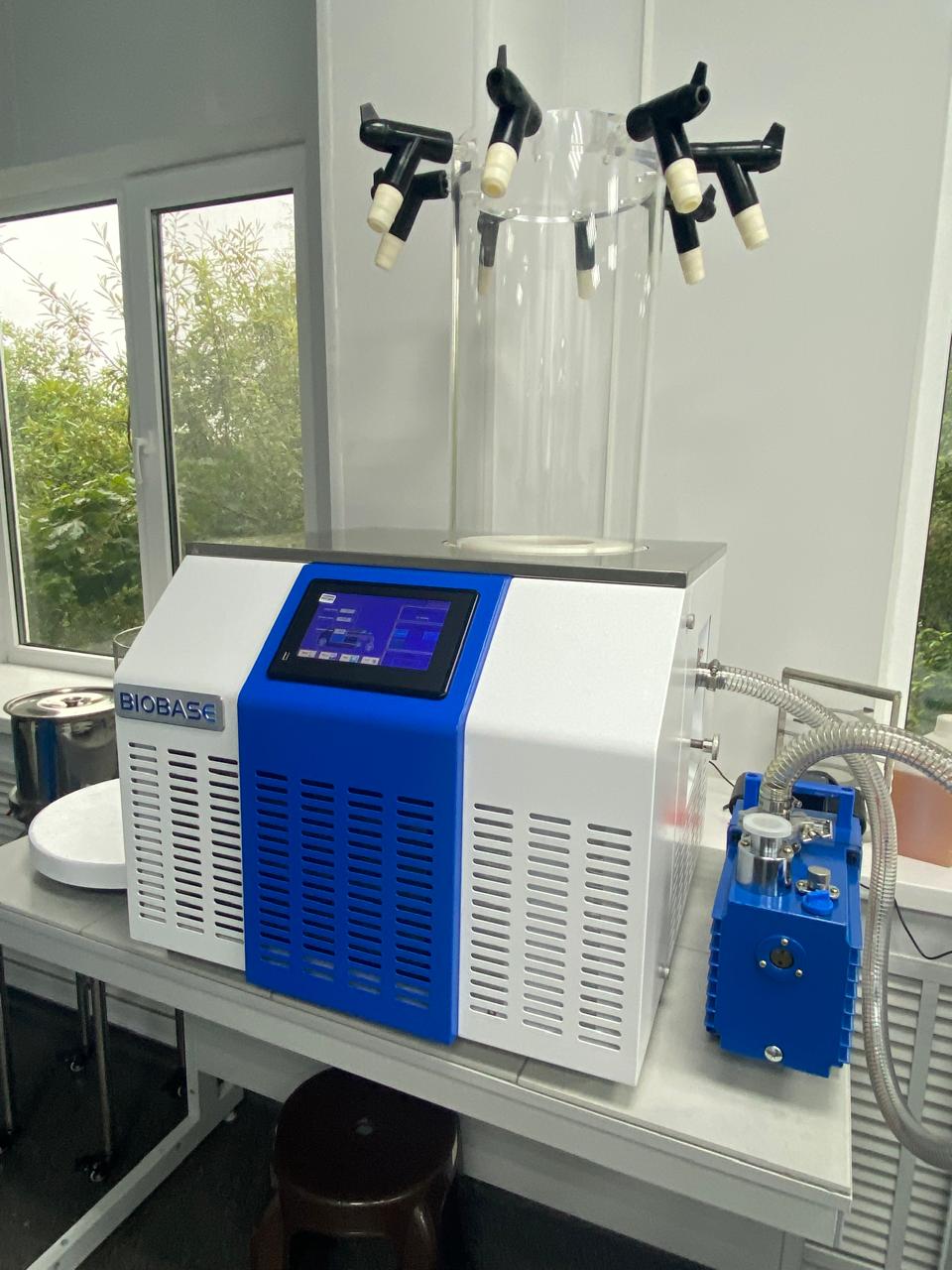
| Stabilisation programme | protective medium formulation + suitable drying/storage (R&D stage) | viability and activity over time |
| Item | Stated parameters | What it helps to assess |
|---|---|---|
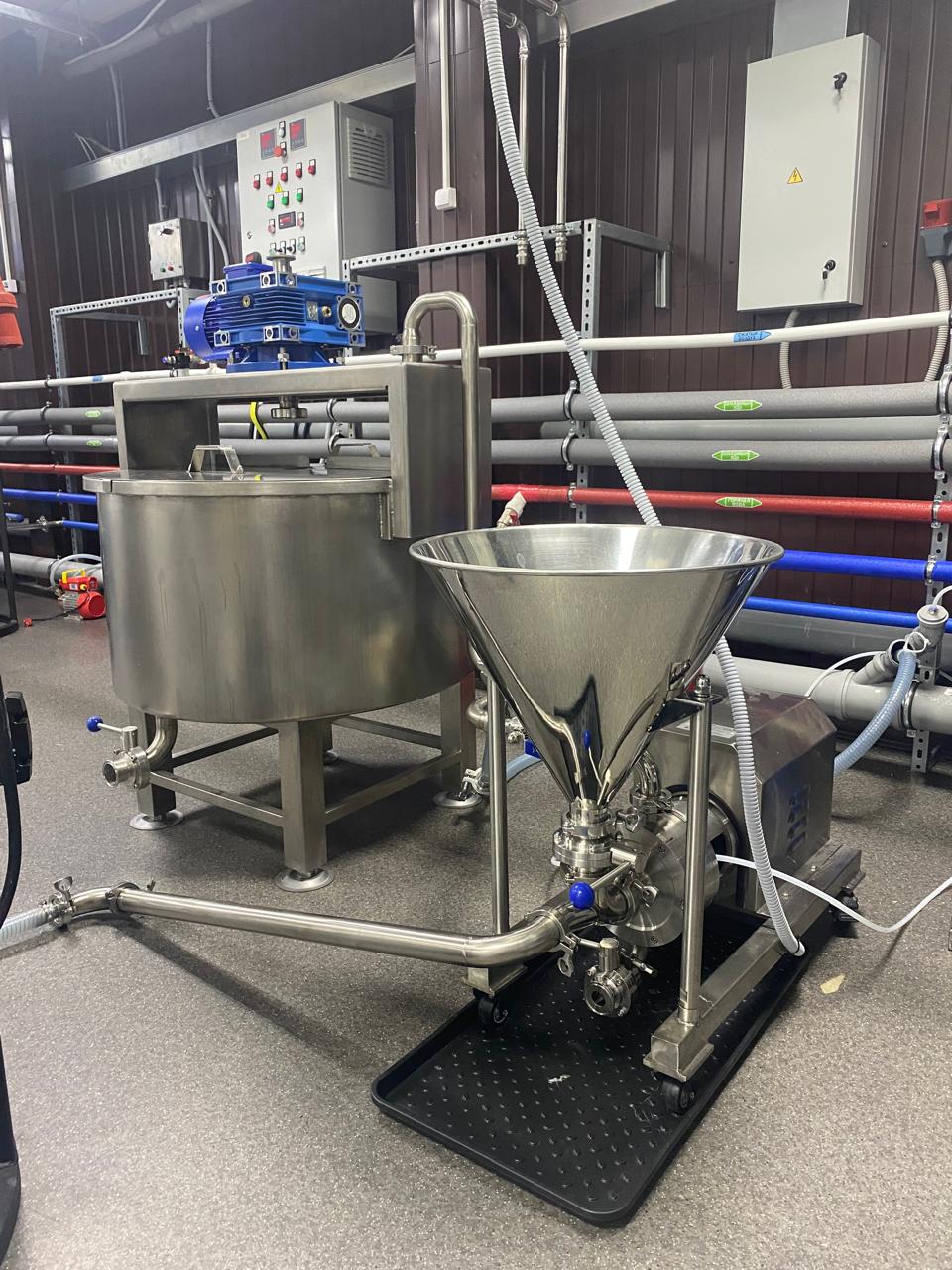
| Homogeniser-disperser | stated: up to 1.5 m³/h | mixture or dispersion |
| Item | Stated parameters | What it helps to assess |
|---|---|---|
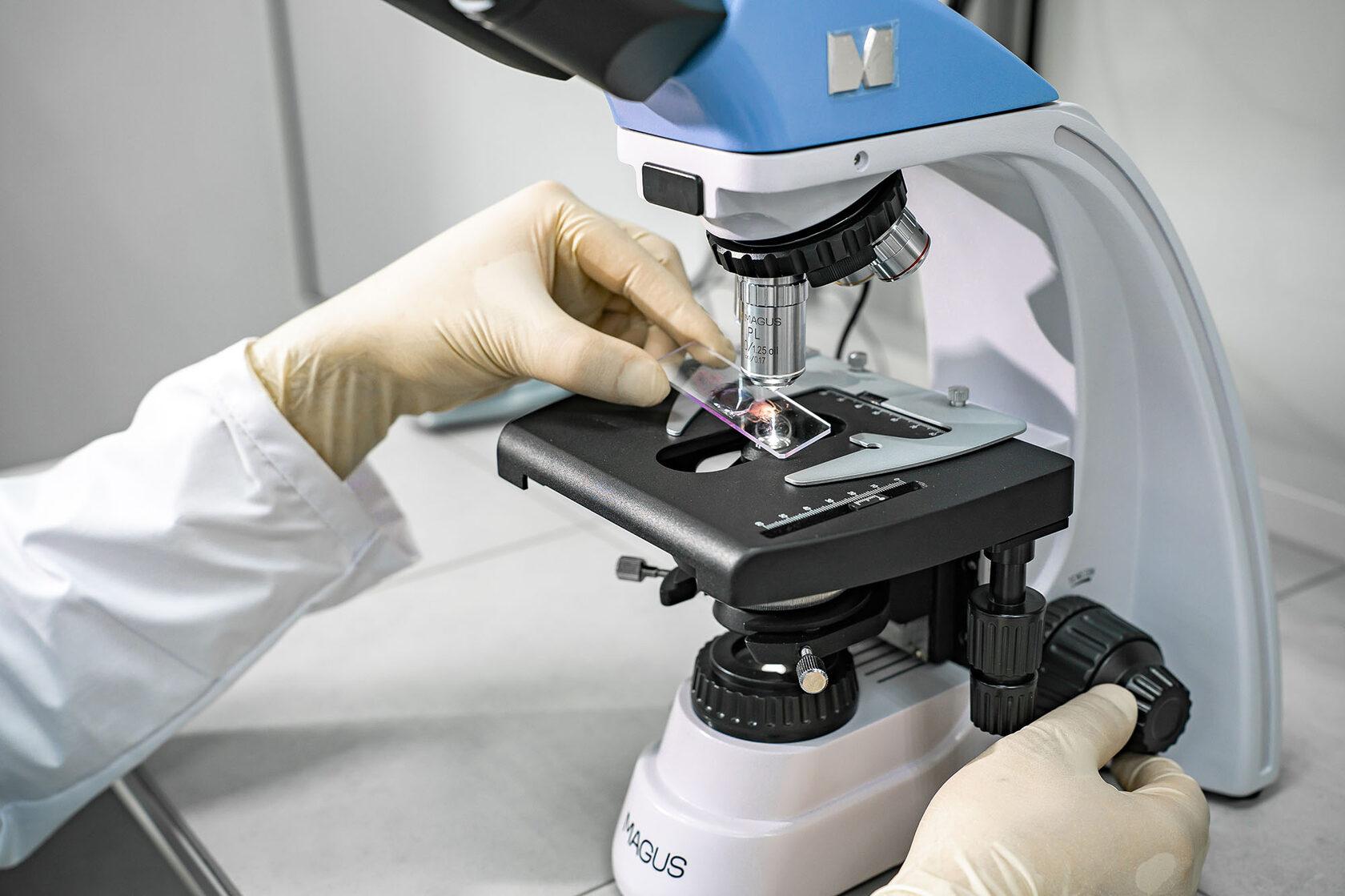
| R&D department laboratories | microbiology, chemistry, fermentation, physical and technical testing | stage and batch control |
| Extended analytical testing | HPLC/LC-MS and other methods: external contractors, by agreement | composition and impurity profile |
The figures shown are stated equipment capabilities taken from the site's technical documentation (Protvino). Actual throughput depends on the material, its viscosity and the operating conditions. Air temperature in the dryer is a heating-medium parameter, not the product temperature.
Not sure which operation you need?
Describe the starting material and the form of result you need, and we will match your project to the available operations and propose a verification sequence.