

Bioprocess development, from the bench to a pilot batch
No production facility of your own? We can test your strain or process at our Protvino site: fermentation, downstream processing and drying. The initial phase ends with a clear development path and a plan for the next step — or a documented conclusion that the approach is not technically feasible.
What do you already have?
A project can start at any point, from an idea to a fermentation broth. Describe your objective without disclosing your formulation, and we will tell you what information we need for a technical assessment.
Five stages, one agreed development path
Not every project needs every stage. The scope of work, in-house and outsourced operations, success criteria and go/no-go points are agreed before work begins.
Research
Scale-up
Downstream processing
Pilot
Technology transfer
Initial engagements
We begin with a scoped, paid initial phase. After reviewing your input data, our process engineer defines the operations, batch sizes, analytical testing and acceptance criteria.
Feasibility assessment
Fermentation and scale-up
Precipitation and recovery
Pilot run using your process
Sample preparation by hydrolysis
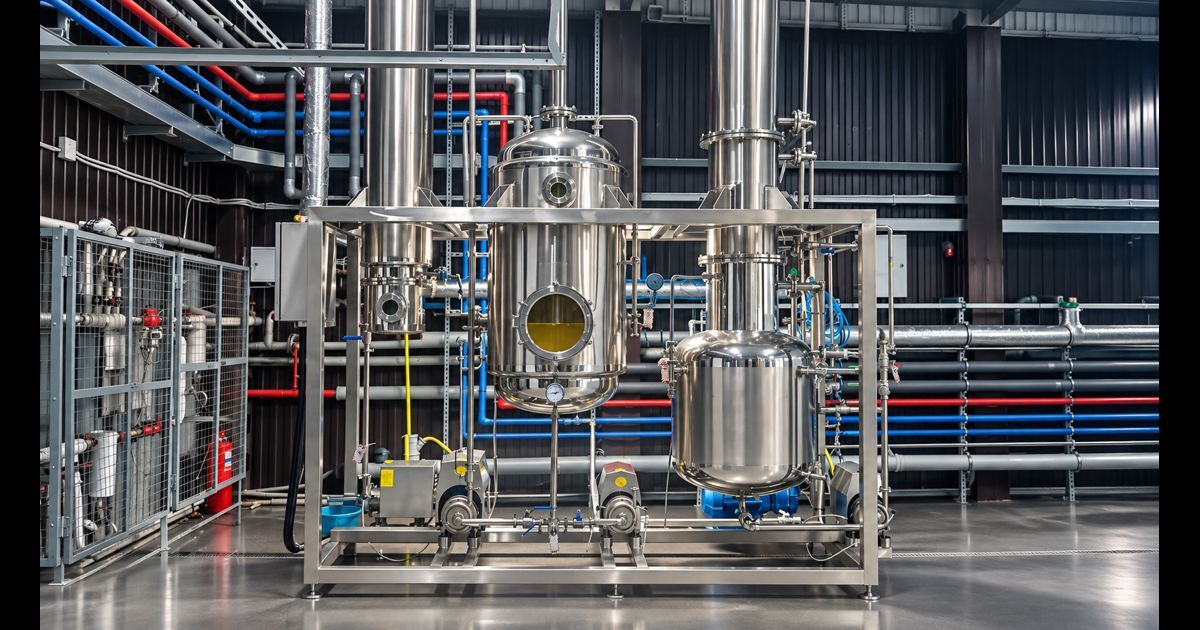
Protvino site: laboratories and pilot plant
The equipment below is organised around the questions it helps to answer. Working scale and the sequence of operations are set for each material; vessel volumes are indicative only.
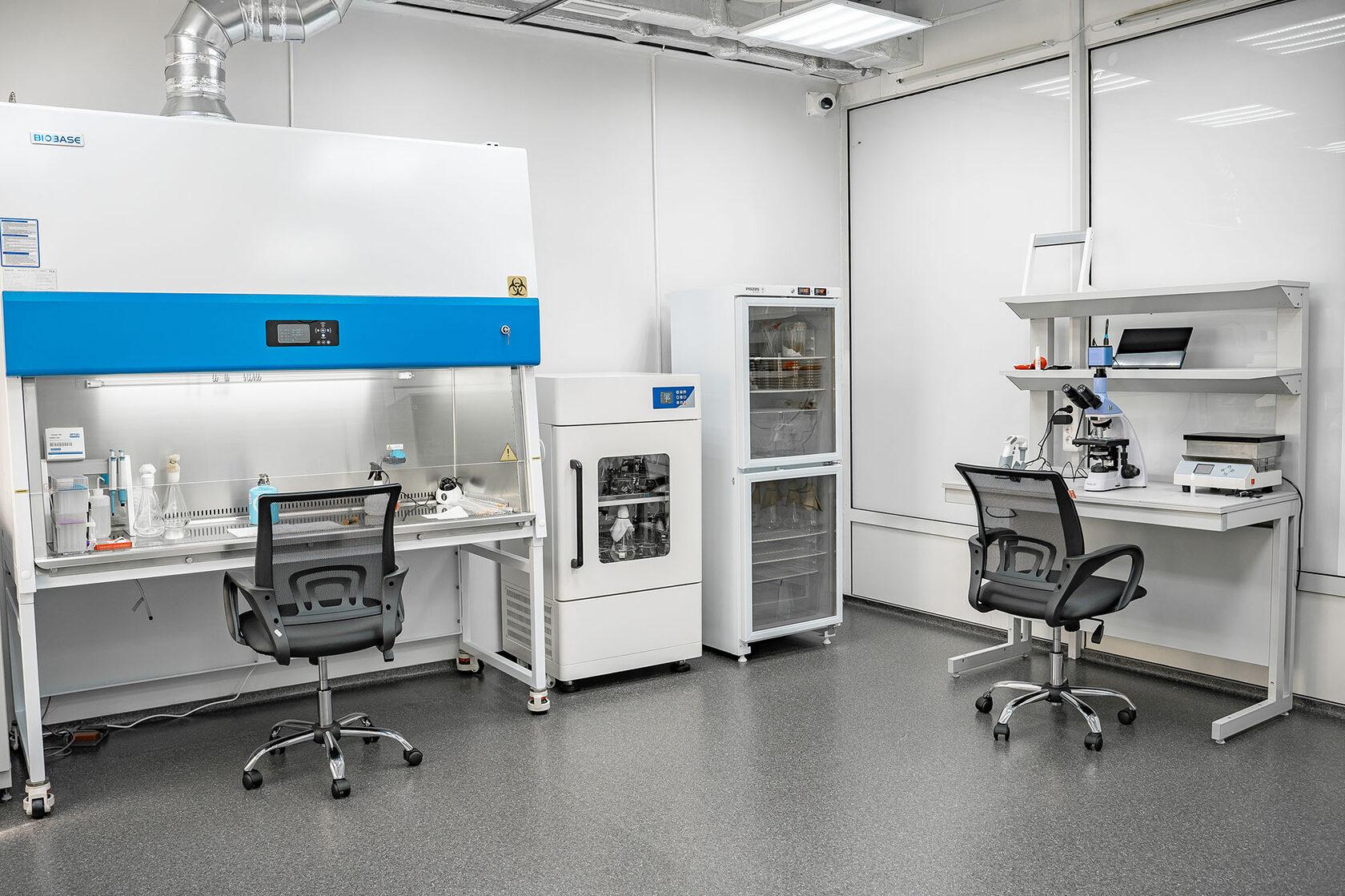
- Laboratories
- microbiology, chemistry, fermentation, physical and technical testing
- Pilot plant
- fermentation, separation and concentration, hydrolysis, drying
- Scope and partners
- before work begins, we agree which stages run on site and where an external contractor is needed
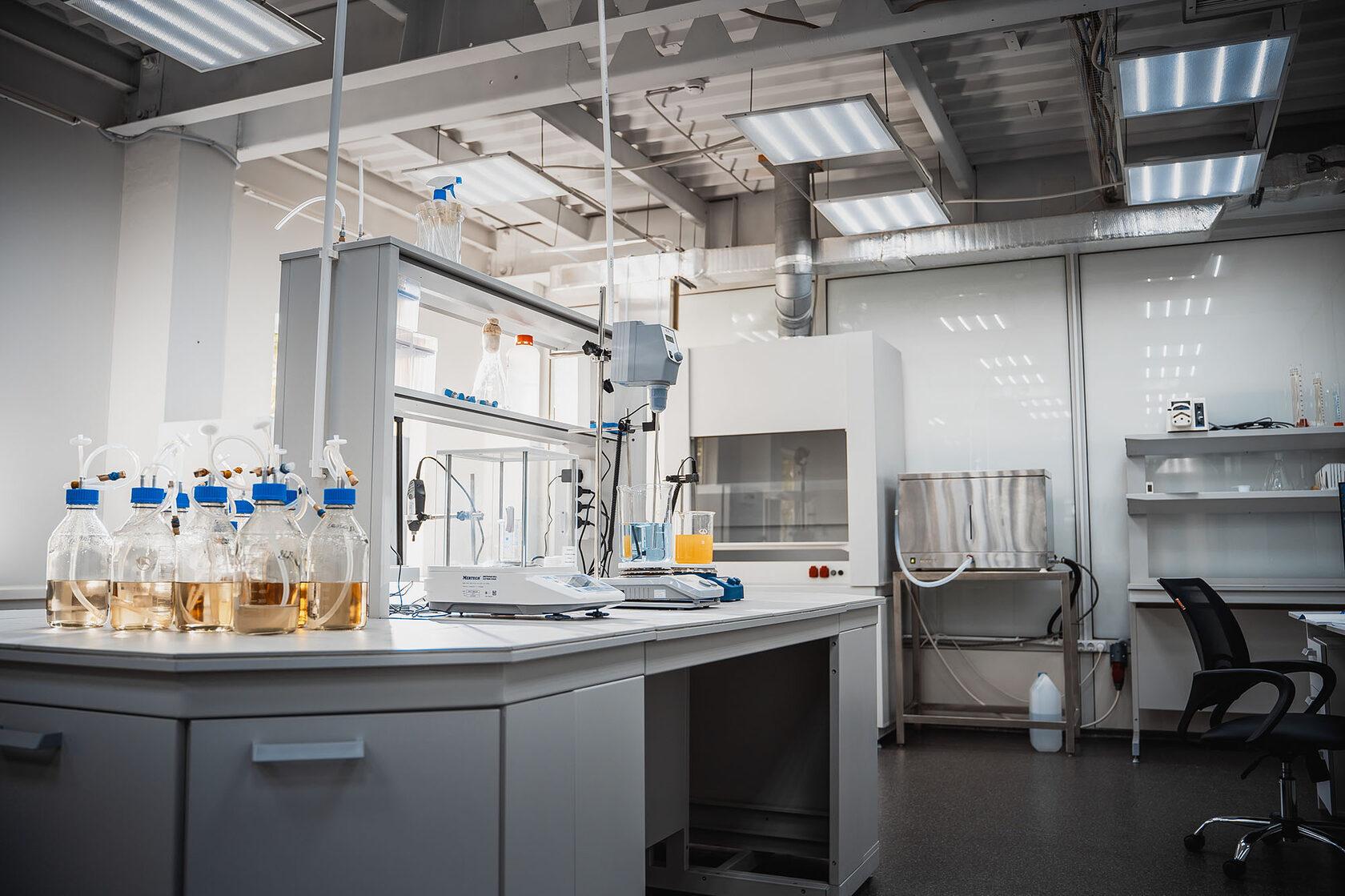
Equipment for verifying your process route
All operations and equipment →Choose an operation: cultivation, hydrolysis, separation, filtration, concentration, drying, stabilisation, blending, analytical testing. Rated capacity helps to select a unit, but does not replace a trial on the actual material.
| Operation | Equipment | What to assess |
|---|---|---|
| Cultivation — producing fermentation broth | ||
| Fermentation | Laboratory- and pilot-scale fermenters | process performance and data at the selected scale |
| Separation and purification | ||
| Separation | Decanter centrifuge · separator | separation of biomass and fractions |
| Filtration | Tangential-flow and vacuum filtration | clarification and concentration |
| Drying and product form | ||
| Drying | Spray, fluidised-bed and paddle dryers | suitability for drying, losses and sample properties |
The figures shown are stated equipment capabilities. Actual throughput depends on the material, its viscosity and the operating conditions; heating-medium temperature is not the same as product temperature.
Xanthan gum: our own process, taken to a pilot-scale batch
Products made at our Protvino site
All developed at our Protvino site.
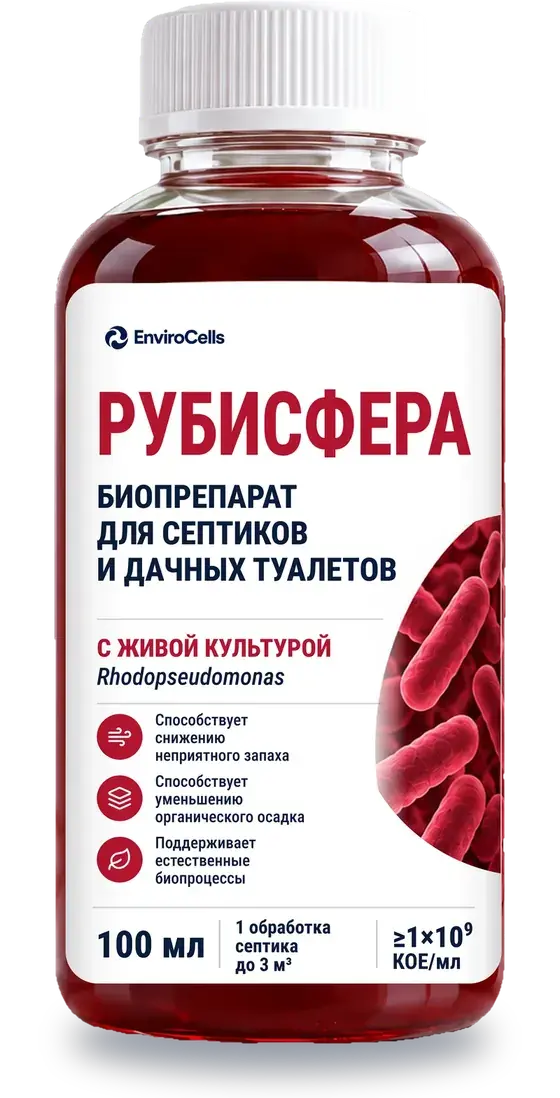
A live-bacteria microbial treatment for septic tanks, cesspools and outdoor toilets.
- 100 mL
- 1 bottle for every 3 m³
- ≥1 × 10⁹ CFU/mL
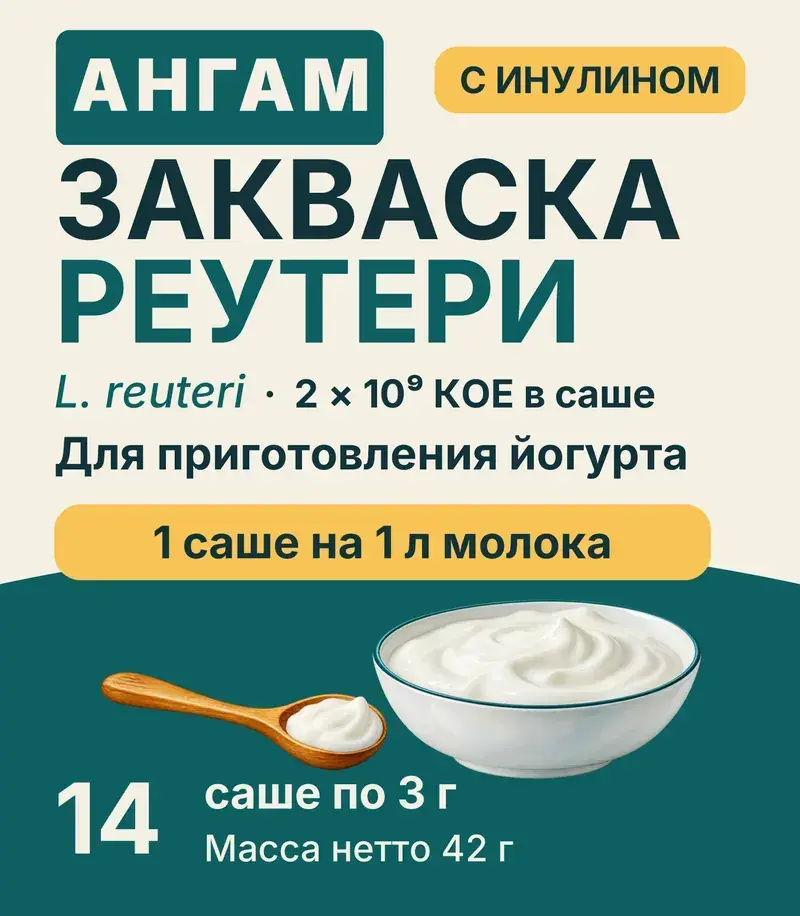
A starter culture for homemade yoghurt: instructions, incubation conditions and answers to common questions.
- 1 sachet per 1 L of milk
- Incubation at 37–40 °C
- 14 sachets, 3 g each
How we start
Every project starts with a technical assessment. Describe the material, the result you need and the main constraint you face. Confidential documents are exchanged separately, once terms have been agreed.
Discuss your projectNon-confidential enquiry
Suitability and safety check
First technical step
Tell us what result you need
A first enquiry does not require you to disclose a formulation or share process documentation. A short description of the material, its stage of development and your goal is enough. Your answers are compiled into an email to our process engineer.
Talk to a process engineer: +7 800 350-13-22Have a process or an idea to put to the test?
Describe the material, the result you need and the main constraint you face, and we will discuss the first technical step.